Why High-Waisted Leggings Dig In on an Hourglass Figure (Even in the Right Size)
Quick Answer: High-waisted leggings dig in on an hourglass figure because standard sizing is built around a smaller ratio between waist and hip measurements than an hourglass body typically has, meaning a size chosen to fit the hips comfortably is often too small at the natural waist — checking a brand’s specific waist-to-hip ratio assumption, not just the size label, solves this more reliably.
The hips fit. The waistband, sized to match, ends up fighting a waist that’s proportionally smaller than the size chart assumed.
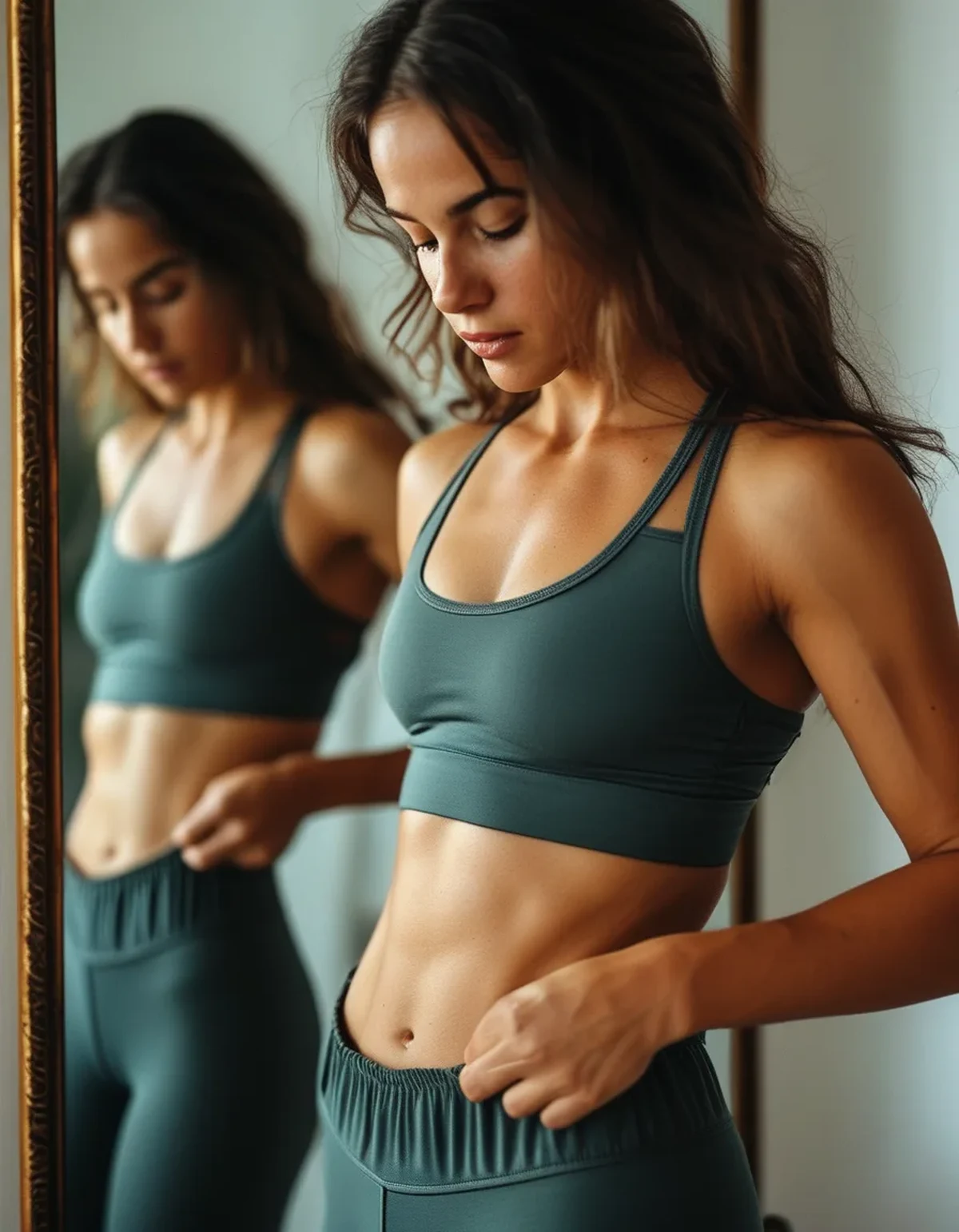
Why does this specifically affect hourglass bodies more than other shapes?
Standard size charts are built around a fairly narrow assumed waist-to-hip ratio, often based on a less pronounced difference between the two measurements than a true hourglass figure has. When hip measurement is used to select a size (the more common approach), the waistband on that size is cut for a waist that’s proportionally larger than an hourglass waist actually is — creating the digging-in effect at the smaller, curvier waist point.
Does fabric content affect how noticeable this problem is?
Yes — lower-stretch fabric blends make a waist-hip mismatch far more noticeable than a high-spandex-content fabric, which has enough give to accommodate a bigger difference between waist and hip measurements without digging in as sharply.
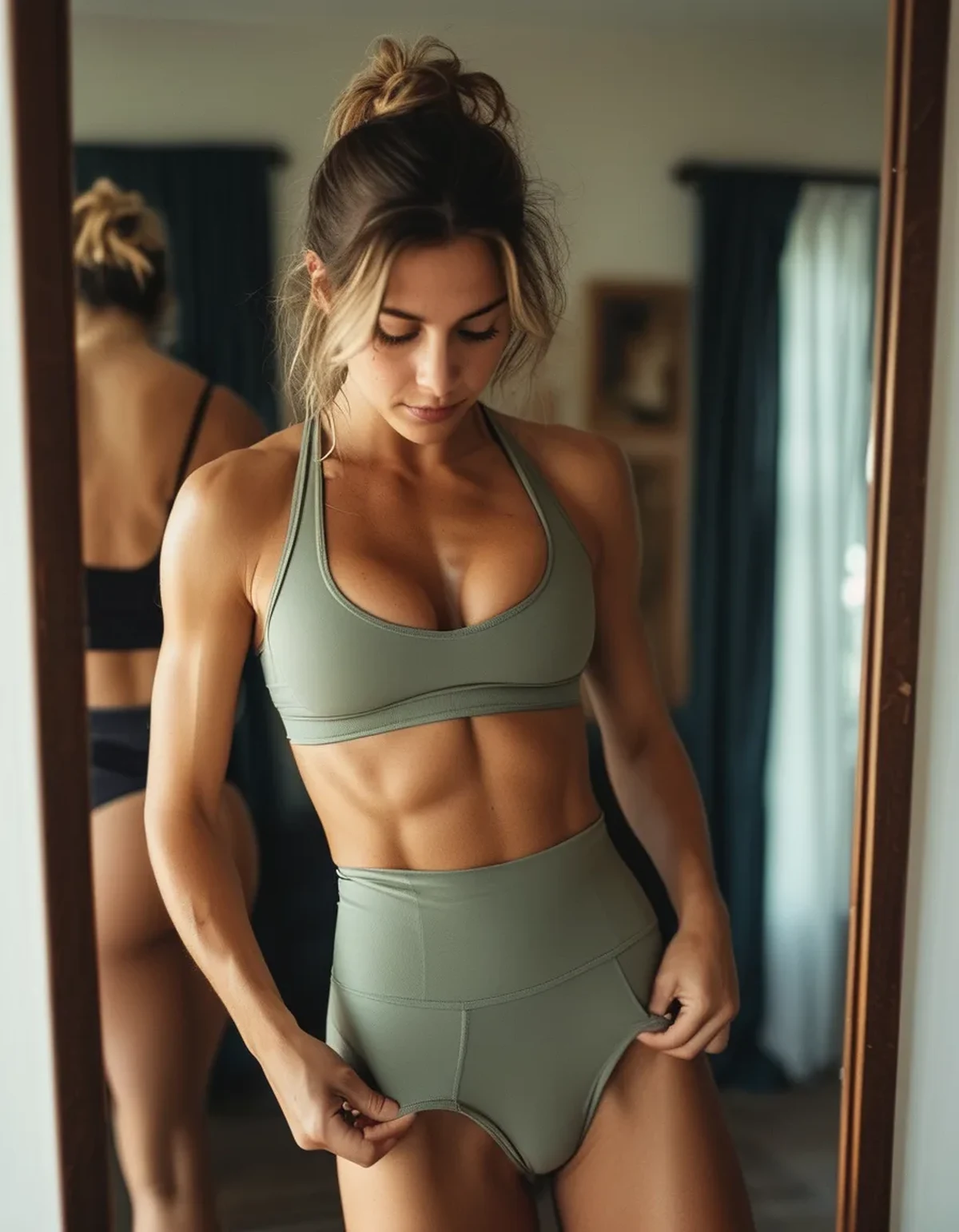
What Nobody Tells You About Hourglass Waistband Fit
Brands with a dedicated curvy or hourglass-fit line cut the waistband with a proportionally smaller waist relative to the hip than their standard line — this is a genuinely different pattern, not just a marketing label, and checking whether a brand publishes separate waist and hip measurements (rather than just a size number) is the most reliable way to identify these lines.
Does waistband height (higher vs lower rise) change how this problem shows up?
It does — a higher-rise waistband sits at the narrowest part of the waist, where the hourglass ratio is most pronounced, making mismatched sizing more noticeable than a lower or mid-rise style that sits closer to where waist and hip proportions are less extreme.
FAQ: Hourglass Figures and Legging Waistbands, Answered
Should sizing be based on waist or hip measurement for an hourglass figure?
Checking both against the brand’s specific size chart, rather than defaulting to hip measurement alone, gives a more accurate result — some brands weight these differently.
Does a wider waistband help or worsen the digging-in issue?
A wider waistband generally distributes pressure more evenly than a narrow one, often reducing the digging-in sensation even at a similar size.
Are curvy-fit leggings usually more expensive?
Sometimes modestly, reflecting the separate pattern development, though the fit improvement for an hourglass figure is often significant enough to be worth it.
TL;DR:
- Standard sizing assumes a smaller waist-to-hip ratio than a true hourglass figure has
- Sizing based on hip measurement alone often leaves the waistband too tight at the narrower waist
- Lower-stretch fabric makes this mismatch more noticeable than high-spandex blends
- Dedicated curvy-fit lines use a genuinely different waist-hip pattern, not just a label
The digging-in feeling isn’t a fit failure on your part — it’s a size chart built around a different ratio than an hourglass body actually has.
See It in Motion
Seen here: High Waist Embossed Yoga Leggings with Side Pockets — shop it on bubblelime.com
Keep Reading
This article is for general informational and styling purposes only. Fit, sizing, and product availability may vary.
